
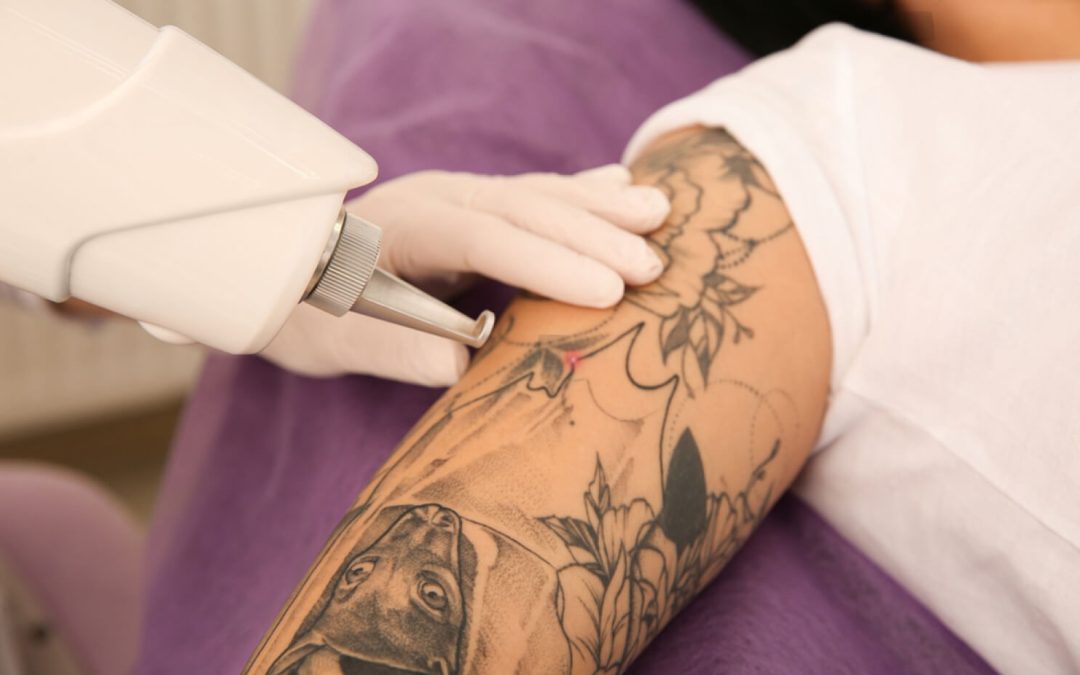
When enlisting in the military, tattoos become an unexpected obstacle. What once felt like a personal decision or a harmless design can suddenly raise questions about eligibility, timing, and approval. As military tattoo regulations continue to evolve, applicants are often left trying to interpret rules that are not always applied consistently.
One of the most common questions that comes up during this process is whether laser tattoo removal can be done while waiting for enlistment, or if the process must wait until after MEPS or contract signing. In most cases, laser tattoo removal can begin during the waiting period, and for many applicants, starting early is not only allowed but practical.
The enlistment process already involves waiting. There is time spent studying for the ASVAB, collecting documents, scheduling MEPS, and coordinating with a recruiter. That waiting period can be used strategically, especially when tattoos fall into placement or visibility gray areas.
Yes, Laser Tattoo Removal Can Start Before Enlistment
Laser tattoo removal does not interfere with the enlistment process itself. Applicants are not required to wait until after MEPS or after signing an enlistment contract. Many people begin laser tattoo removal while preparing for other parts of enlistment, long before a tattoo becomes a formal issue.
Recruiters regularly encounter candidates who are actively addressing tattoo concerns. From their perspective, a tattoo that is clearly fading is often easier to evaluate than one that remains unchanged. Starting early shows intent to comply with standards rather than waiting for a rejection or delay to force action.
This is especially true for tattoos located on the hands, neck, behind the ear, or other areas that draw attention during inspection. Even if a tattoo is technically within current limits, interpretations can vary. Taking early steps reduces uncertainty and puts the applicant in a stronger position.
Why Starting Early Matters
Laser tattoo removal is not instant. The process works gradually, with sessions spaced weeks apart to allow the body to break down ink particles naturally. Waiting until a recruiter or MEPS evaluator raises a concern can add months to the enlistment timeline, even if removal ultimately becomes straightforward.
Starting early reduces tattoo visibility before inspection, demonstrates commitment to meeting regulations, and allows flexibility if additional sessions are required. It also helps applicants avoid rushed decisions, such as attempting a tattoo cover up that may create more problems than it solves.
Applicants with borderline placement tattoos often turn to tattoo removal for enlistment through professional laser tattoo removal services simply to keep their timeline moving forward without surprises.
What Recruiters Look for While You Are Waiting
Recruiters do not expect tattoo removal to be finished immediately. Their focus is on whether progress is being made and whether the issue is likely to be resolved within a reasonable timeframe.
They typically evaluate tattoo placement, size, visibility, and whether the tattoo is clearly fading. A visible treatment plan matters more than perfection. Recruiters also consider whether a tattoo is likely to meet standards by MEPS or ship date, not whether it has disappeared completely.
Applicants who can demonstrate ongoing effort tend to face fewer obstacles than those who wait until a tattoo becomes a formal problem. Clinics familiar with enlistment cases understand how to document progress in a way that supports that conversation.
Can You Go to MEPS While Tattoo Removal Is Ongoing?
Yes, many applicants attend MEPS while laser tattoo removal is still in progress. MEPS evaluates tattoos based on how they appear at the time of inspection. If a tattoo is fading and no longer violates placement or content rules, it may be considered acceptable.
That said, MEPS evaluations are visual and sometimes subjective. Two tattoos with similar placement can be interpreted differently depending on visibility and contrast. This is why progress matters. A tattoo that is actively fading often draws less scrutiny than one that appears untouched.
Applicants often bring before and after photos, treatment records, and a basic removal timeline. Some rely on guidance from providers offering laser tattoo removal to understand what documentation is helpful and what is unnecessary.
Does Tattoo Removal Need to Be Finished Before Enlistment?
Not always. Some applicants are allowed to move forward while removal continues, particularly if the tattoo no longer violates visibility standards. Others may be asked to complete removal before shipping to basic training.
This depends on tattoo location, branch guidelines, recruiter input, and MEPS interpretation. In some cases, partial fading is enough to resolve the issue. In others, additional sessions may be required to fully clear a restricted area.
Starting laser tattoo removal early keeps options open. It gives applicants time to adapt if expectations change and prevents last minute delays that can derail enlistment plans.
Is Partial Tattoo Removal Ever Enough?
In some cases, partial fading can be enough if the tattoo is no longer clearly visible or identifiable. This is especially true for small tattoos or those near placement limits.
Cover up tattoos, however, are usually discouraged. Cover ups often make tattoos larger, darker, or more noticeable, which can create new concerns during inspection. For enlistment purposes, removal is generally the safer option.
For this reason, many applicants choose laser tattoo removal for enlistment rather than attempting to conceal the tattoo with additional ink.
Laser tattoo removal can be done while waiting for enlistment, and in many cases, it should be. Starting early reduces uncertainty, shortens potential delays, and allows applicants to stay in control of their enlistment timeline.
For those serious about joining the military, addressing tattoo concerns proactively, rather than waiting for a problem to appear, often makes the process far smoother and far less stressful.